
Senior Night Activity - What To Watch For

Nighttime is often the hardest part of caregiving. During the day, it is easier to notice changes, talk, and respond. At night, many situations happen quietly: repeated waking, disorientation, bathroom-route stumbles, or long periods of inactivity after an incident.
The goal is not to monitor every movement. The goal is to recognize patterns that separate a typical night from a night that may require medical consultation or a safer home setup.
Why Night Increases Risk
After dark, spatial orientation often declines, especially with weak or uneven lighting. Many older adults also experience stronger instability right after waking, sometimes called sleep inertia. Evening medications may add dizziness or excessive drowsiness.
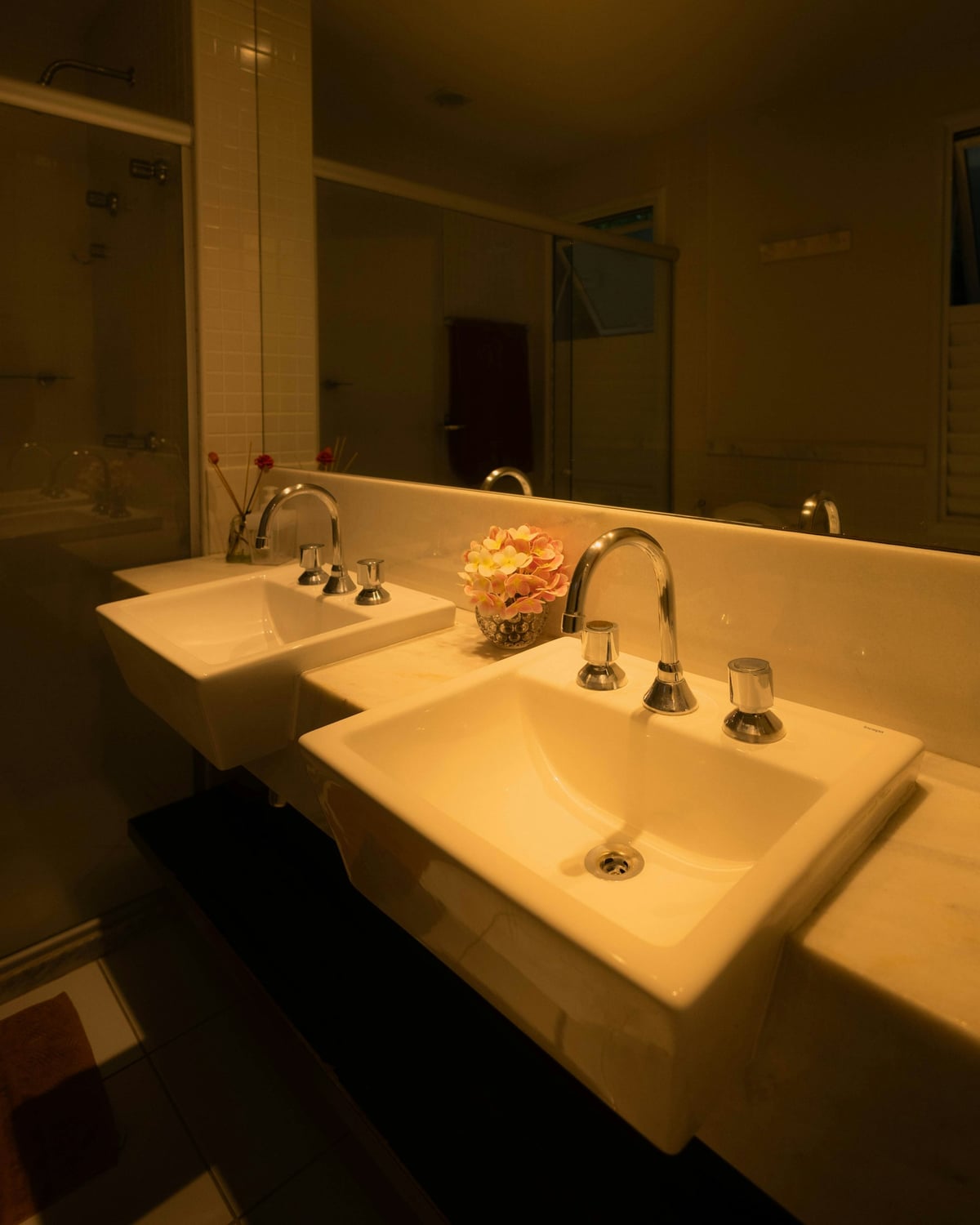
A high share of nighttime incidents happens between bedroom and bathroom. The distance is short, but the risk mix is common: thresholds, rugs, low light, and urgency.
What Is Typical, What Is A Warning Signal
Not every wake-up is concerning. Sleep structure naturally changes with age, and lighter sleep can be expected.
Often typical and non-alarming:
- 1-2 bathroom wake-ups,
- short awakenings after turning in bed,
- occasional trouble falling asleep again.
Signals worth closer attention:
- sudden increase in nighttime walking,
- wandering without a clear goal,
- confusion about rooms or doors,
- repeated fear episodes after waking,
- prolonged immobility in unusual places.
A single episode does not always indicate a clinical issue. A recurring pattern should be discussed with a GP or geriatric specialist.
A Practical Night Safety Protocol
Most risks can be reduced in one evening with limited cost.
- Provide consistent, soft lighting between bedroom and bathroom.
- Remove loose rugs and obstacles from night routes.
- Keep glasses, phone, and water in fixed places.
- Reduce urgency by starting the evening routine 20-30 minutes earlier.
- Agree on a simple “what I do if I wake up dizzy” plan.
That last point is often critical. Having a plan reduces panic and lowers sudden-movement risk.
Night Log: Small Tool, High Value
For recurring problems, a simple 3-column log helps: time, event, and morning condition. Ten to fourteen days is usually enough to reveal patterns.
These notes are useful during medical consultation. Instead of “sleep is worse,” families can share specifics: frequency, duration, and context.
How To Talk Without Triggering Resistance
Many seniors react defensively when they hear that “something worrying happens at night.” It can sound like judgment or a sign of upcoming restrictions. Language matters.
Instead of “we need to supervise you,” try “let’s make nights calmer and less tiring.” Instead of “this is dangerous,” try “let’s improve comfort and safety together.”
A small language shift often leads to much better cooperation.
Technology As Backup, Not A Replacement For Relationships
At night, automatic tools are especially valuable because they do not depend on remembering a wearable or pressing a button. If safety relies only on active senior behavior, part of the risk remains uncovered.
In our article about home fall prevention, we explain how much prevention matters. In “How Is Radar Monitoring Different From Cameras And Wristbands?”, we compare monitoring models and tradeoffs.
The strongest approach combines three layers: safer space, better routines, and thoughtfully selected technology.
A calmer senior night does not start at midnight. It starts much earlier, with habits and environment. The more predictable the night, the safer and more confident both the senior and family can feel.