
Home Falls - The Silent Epidemic Among Older Adults

The phone rings at 3 a.m. A neighbor says: “Please come quickly, your mother is on the bathroom floor.” Your heart races and your mind goes straight to worst-case scenarios. Sadly, this is not rare - it is everyday reality for many families.
Falls among older adults are one of the biggest and most underestimated public-health challenges. According to the World Health Organization, falls are among the leading causes of accidental injury-related death globally. In Poland, the scale is large, and the consequences affect not only seniors but entire families.
In this article, we break down the numbers, explain root causes, and show practical ways to reduce risk at home.
The Scale Of The Problem
Data from national institutions shows a clear pattern. About one in three adults over 65 experiences at least one fall each year. For people over 80, the share is even higher.
Every year, hospitals admit large numbers of seniors with injuries caused by home falls. Hip fractures, head injuries, and wrist fractures are among the most common outcomes. WHO data also indicates that hip fracture in older adults is linked with significant one-year mortality risk.
Treatment and rehabilitation costs are substantial. Beyond financial impact, there are hidden costs: loss of independence, need for full-time support, and sometimes relocation to assisted living. Importantly, most falls happen at home - the place that should feel safest.
The Most Common Causes At Home
Falls rarely have a single cause. Most incidents are a combination of several risk factors.
Physical factors are central. With age, balance-related muscle strength declines, vision may worsen, and some medications - especially sedatives, anti-anxiety drugs, and blood-pressure medications - can cause dizziness or slower reactions. Conditions like diabetes, orthostatic hypotension, and osteoporosis increase vulnerability.
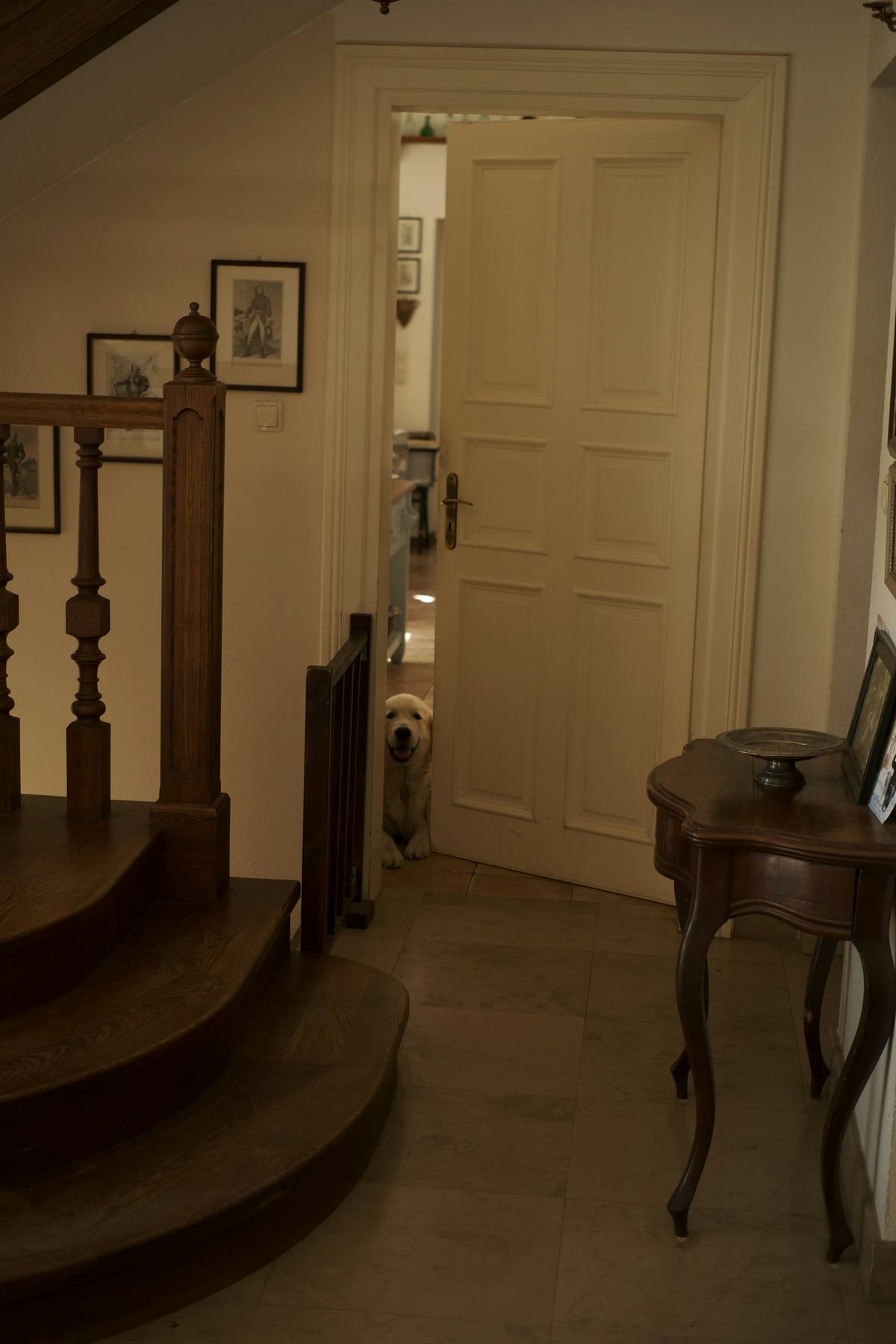
Environmental hazards are another major factor. Loose rugs, slippery bathroom floors, raised thresholds, weak hallway lighting, and cables crossing walkways can all become serious risks for someone with reduced balance.
Behavioral factors can be the hardest to change. Rushing, reaching high shelves without stable support, wearing low-grip footwear, or walking at night without turning on lights are common habits that become riskier over time.
Practical Ways To Reduce Risk
The good news is that many falls are preventable with simple, affordable changes. The strongest results come from combining home adjustments with physical conditioning.
Bathrooms are statistically the highest-risk area. Installing grab bars near the bathtub, shower, and toilet is a core step. Non-slip mats in and outside the shower also help significantly. In many homes, replacing a bathtub with a low-entry shower improves safety.
Hallways and stairs need strong, consistent lighting. Motion-trigger night lights between bedroom and bathroom can prevent serious incidents. Cables should be fixed along walls, and loose rugs should be removed or firmly secured.
Bedrooms should have an easy-to-reach bedside light, ideally touch-activated or remote-controlled. Bed height should support stable standing with feet fully on the floor when seated.
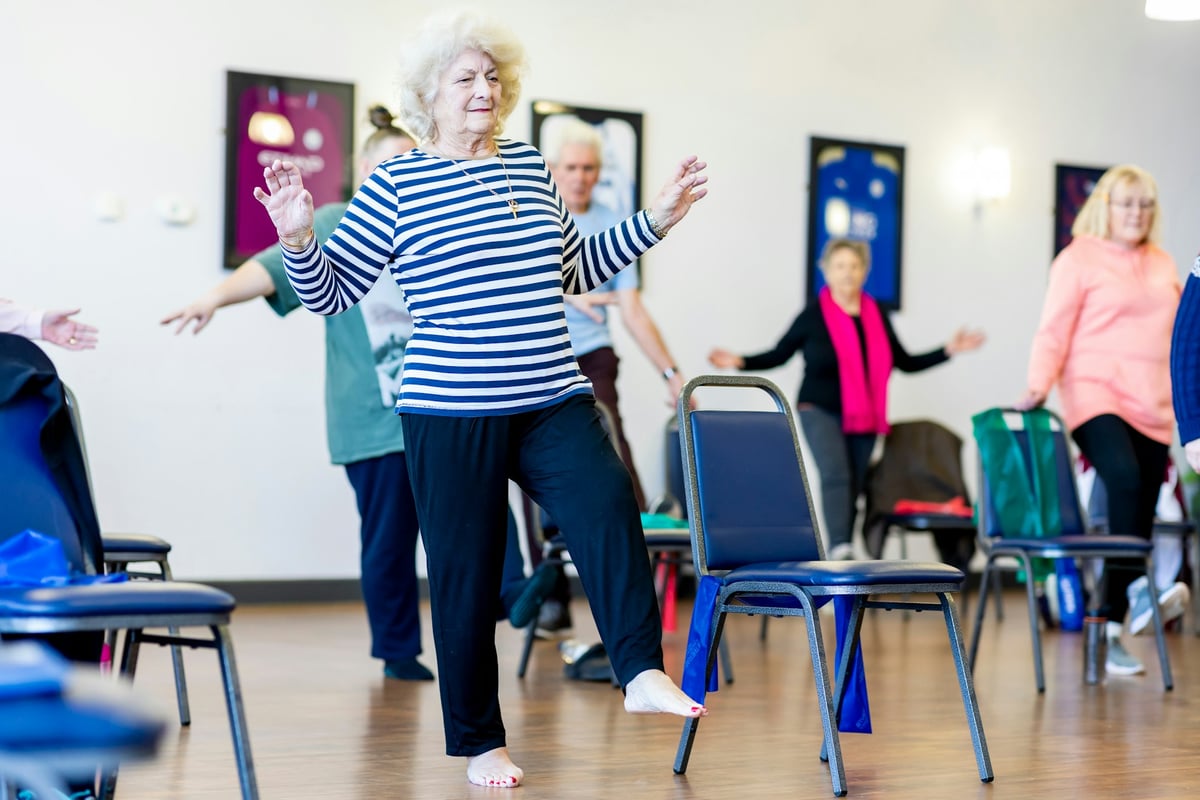
Physical activity is one of the most effective prevention tools. Research shows that regular balance training - including tai chi and gentle guided exercises - can reduce fall risk meaningfully.
Regular eye exams and medication reviews are also important. Even small adjustments can improve stability and confidence.
When A Fall Is A Warning Signal
A single fall can be dismissed as “just bad luck.” Repeated falls, however, are a strong warning sign and should trigger medical evaluation. They may indicate undiagnosed balance disorders, neurological issues, blood-pressure problems, or medication interactions.
Many seniors also hide falls from family out of embarrassment or fear of losing independence. This can create a fear-of-falling cycle: reduced activity leads to weaker muscles, which increases risk even further.
Open family conversations about safety are essential. The goal is not to take away independence, but to protect it.
Technology As An Extra Safety Layer
For years, the standard option was a wearable panic button. It is simple, but has a key limitation: during a fall, fainting episode, or confusion, a person may not be able to trigger it.
That is why interest is growing in automatic detection systems that identify incidents without user interaction. One promising path is contactless radar monitoring, which works without cameras and without wearables. This approach supports privacy, requires no charging, and runs continuously. If you want a detailed comparison of monitoring models, read our home monitoring technology comparison.
Still, technology should complement prevention, not replace it. The best outcomes come from combining environmental safety, exercise, and intelligent monitoring.
Preventing home falls does not require major investment. A few practical changes - grab bars, better lighting, removing loose rugs - can make a major difference. Small, consistent steps can help preserve independence for years.
Editorial update (2026-01-27): Nighttime risk patterns are covered in “Senior Night Activity - What To Watch For”.