
Echo Sense prepares a radar technology pilot in a care home. From prototype to real-world applications

The next step in developing Echo Sense
Care technology needs to be designed around the daily lives of residents and staff. That is why we are preparing a care home pilot to test the assumptions behind Echo Sense beyond a controlled test environment.
In September, we are focusing on defining the scope of testing and use scenarios. This marks a step from a prototype towards assessing how the system could fit into a care facility’s daily operations.
Supporting care without cameras or wearables
Echo Sense is being developed using radar technology. Our aim is contactless monitoring of presence and movement, without recording images of residents or requiring them to wear a wristband.
Care is about both safety and freedom. We want technology to provide staff with useful information while keeping disruption to residents’ everyday lives to a minimum. Residents’ privacy remains a core principle of the project.
What do we want to assess during the pilot?
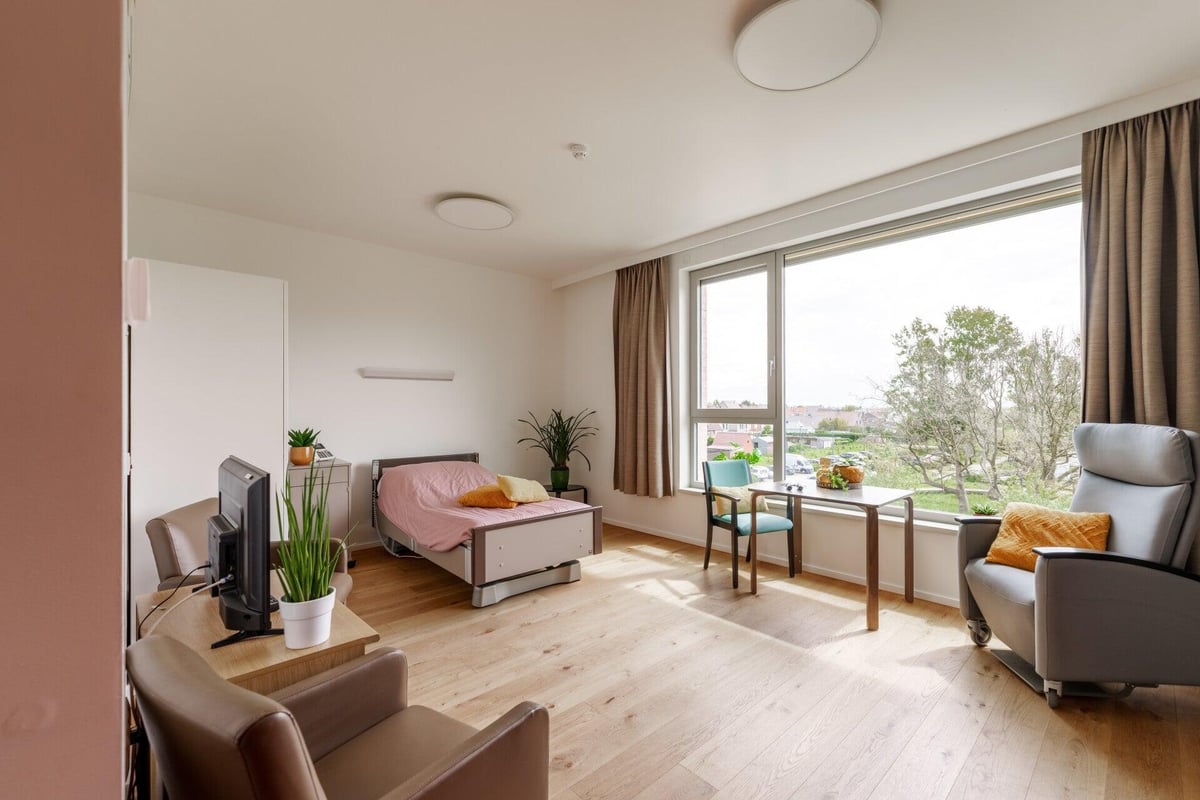
The planned scenarios cover residents’ rooms and shared spaces. Each setting places different demands on the sensors and the way information is presented.
Our test plan includes:
- assessing presence and movement detection in selected rooms;
- testing scenarios involving fall detection;
- assessing the potential for contactless monitoring of breathing and heart rate at rest;
- evaluating how information is communicated to staff.
These are objectives for the planned tests, rather than claims of proven effectiveness. The pilot will help us identify the solution’s capabilities, limitations and areas requiring further development.
Technology designed around staff workflows
A sensor reading alone is not enough. Information needs to reach the right person, be easy to understand and help them take action. Our preparations therefore also cover how events are presented and discussions about caregivers’ needs.
We want to assess how useful the information is to staff and explore ways to reduce notification overload. Findings from the tests will guide improvements to both the sensors and the dashboard.
From prototype to responsible deployment
We see the development of Echo Sense as a process of ongoing validation. Preparing a pilot means agreeing on technical, organisational and formal requirements, then assessing the solution within the agreed scope.
The system is intended to support caregivers in their work. It does not replace their judgement or medical care. The pilot findings will inform subsequent design decisions.
We will share updates on the next stages of our work in the Discover section. If you represent a care facility and would like to discuss your care needs, contact the Echo Sense team.